What if the most spectacular underwater cathedral in the South Pacific only revealed its true colors for a few fleeting hours each month? It's a common heartbreak for divers to descend upon the great white wall fiji only to find the soft corals retracted, appearing more like a dormant grey cliff than a luminous masterpiece. A specific tide. A lunar pulse. A perfect moment. Missing the bloom is a genuine fear for any traveler, especially when you've journeyed across oceans for a glimpse of this snowy wilderness.
We understand that your time is precious and your expectations for discovery are high. This masterclass reveals the exact science behind the white coral's expansion, ensuring you know the precise windows for 2026 to see the wall in its full, glowing glory. We'll move beyond generic travel advice to explore the boutique sanctuaries that specialize in the Somosomo Strait, offering you an intimate connection to the reef. You'll discover how to time your visit with the lunar cycles and which secluded resorts provide the expert guides needed to navigate this legendary descent with grace and precision.
Key Takeaways
- Uncover the geography of the Somosomo Strait, where a vertical precipice draped in ice-white soft coral creates a silent, sub-aquatic cathedral.
- Master the biology of the Dendronephthya genus to understand how nutrient-rich currents ignite the wall's legendary, snowy glow.
- Identify the specific lunar windows in 2026, focusing on neap tides and quarter moons, to ensure your visit to the great white wall fiji aligns with the peak coral bloom.
- Visualise the physical journey of the descent, from the hidden tubular tunnel at ten metres to the vast, infinite blue of the vertical drop.
- Learn how to select a curated dive resort that prioritises tide-specific expertise and intimate local knowledge over mass-market convenience.
What is the Great White Wall in Fiji?
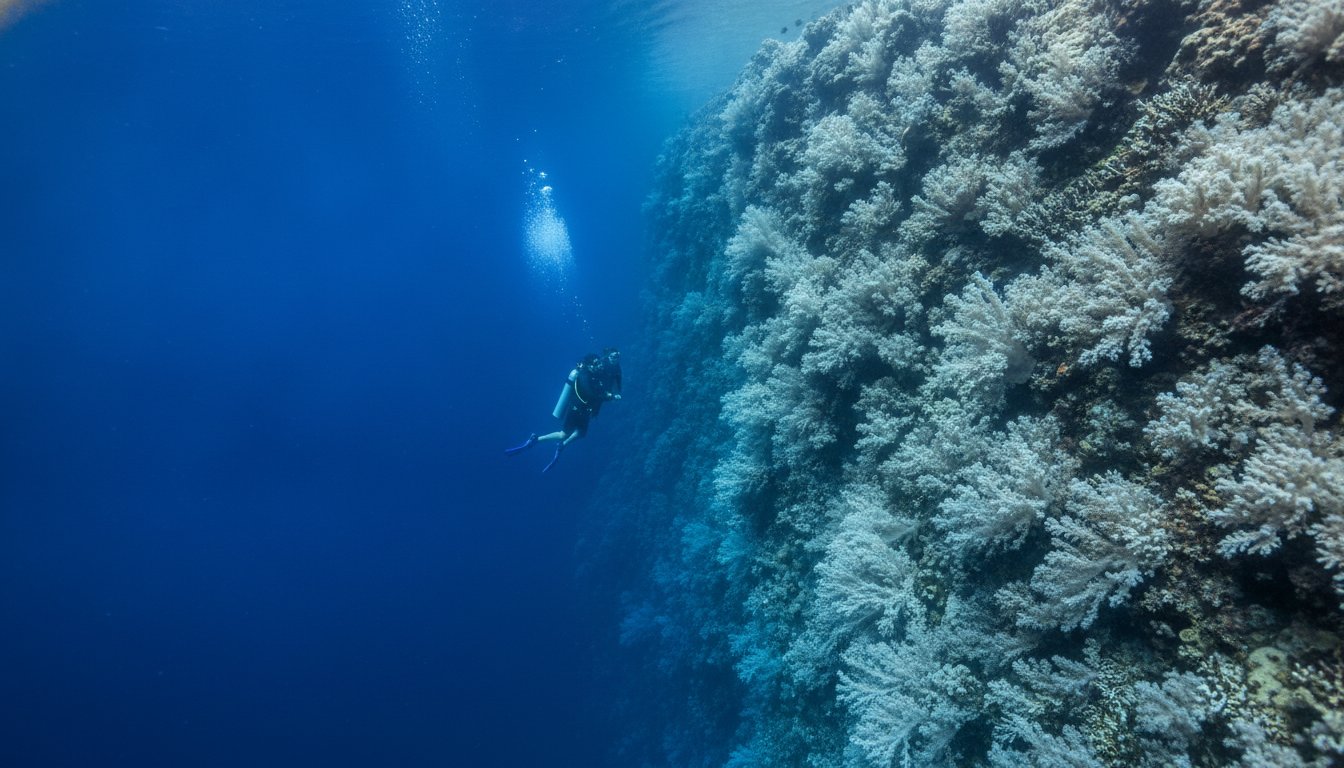
A vertical drop-off. A curtain of light. A silent, snowy wilderness. The great white wall fiji is not merely a dive site; it's a subterranean spectacle that defies the typical color palette of the tropics. While most reefs dazzle with a kaleidoscope of neon greens and fiery oranges, this particular precipice is defined by its purity. Nestled within the Somosomo Strait, the narrow passage between Vanua Levu and Taveuni, the wall is a sheer cliff face cloaked entirely in ice-white Dendronephthya soft corals. When the conditions are perfect, the site appears to glow from within, creating a luminous contrast against the deep, velvet blue of the surrounding ocean.
This ethereal landscape is considered the crown jewel of the Rainbow Reef. It's a place where the geography of the seabed creates a unique biological phenomenon. The strait acts as a natural funnel, concentrating nutrients and tidal energy into a focused stream that feeds the vast colonies of soft corals. It's a sensory masterpiece that feels more like an art installation than a natural formation, inviting divers into a space of profound tranquility and soft adventure.
The Soft Coral Capital of the World
Fiji has long held the title of the Soft Coral Capital of the World, a reputation anchored by the extraordinary diversity found in these waters. The great white wall fiji is the ultimate expression of this title. The unique nutrient-rich currents of the Somosomo Strait provide the perfect nursery for the Dendronephthya genus to thrive in numbers seen nowhere else on Earth. These corals are filter feeders, relying on the rhythmic pulse of the tide to bring them sustenance. To understand the full scope of this underwater opulence, many discerning travelers look to our Luxury Fiji Dive Resorts pillar, which highlights the boutique sanctuaries providing the most sophisticated access to these pristine ecosystems.
Depth and Difficulty Levels
The experience of the wall is one of gradual revelation. The top of the reef begins at a shallow eight metres, where sunlight still plays across the coral heads. However, the true 'Great White' effect begins to take hold as you descend past the twenty-metre mark. Because the most spectacular sections of the wall reside in deeper water, an Advanced Open Water certification is a prerequisite for those who wish to witness the bloom in its entirety. The site's absolute verticality and the potential for brisk currents make it a hauntingly beautiful playground for technical divers who appreciate the technical challenge of a deep, blue-water descent into an infinite white abyss.
The Science of the Glow: Why the Wall is White
The great white wall fiji is a living, breathing event. It isn't a permanent landmark like a sunken wreck or a limestone cave; it's a biological performance that relies on a delicate balance of physics and fluid dynamics. Unlike the rigid hard corals that form the reef's foundation, the wall is dominated by the Dendronephthya genus. These organisms lack a stony skeleton, relying instead on hydrostatic pressure to give them form. When the current is slack, the wall can appear muted, almost dormant, but as the tide begins to push through the strait, the transformation begins. A pulse. A breath. A bloom.
Understanding why the Great White Wall is white requires looking at the coral's unique feeding mechanism. As nutrient-rich water flows over the precipice, these soft corals "inflate" by pumping seawater into their translucent bodies. This expansion exposes their delicate white polyps to the water column, creating the snowy, glowing effect that has made this site legendary. It's a brilliant contrast to the surrounding reef, a flash of pure white against a world of deep indigo. This ephemeral nature means the wall is never the same twice; it's a living event that rewards those who respect its rhythm.
The Dendronephthya Bloom
The transition is startling. In their dormant state, the corals are often a deep, unassuming mauve or brown, shriveled against the rock face. As the current intensifies, they blossom. They swell. They glow. This "inflation" is the coral's way of positioning itself to catch passing plankton. In 2026, maintaining this spectacle relies heavily on the stability of water temperatures and the exceptional clarity that the Somosomo Strait is known for. High visibility is essential, as even a small amount of sediment can dampen the luminous quality of the white polyps, making the timing of your visit more critical than ever.
Biodiversity in the Somosomo Strait
While the wall is the star, it exists within one of the most biodiverse marine corridors on the planet. The strait is home to approximately 390 species of soft and hard corals, all benefitting from the same rhythmic pulse of the tides. This symbiotic relationship between the currents and the reef's health ensures a vibrant ecosystem that supports everything from tiny nudibranchs to passing pelagics. For a deeper look at the surrounding dive sites and the ecology of the region, our Rainbow Reef Fiji Diving guide offers a comprehensive map of this underwater wilderness.
If you're ready to witness this biological wonder firsthand, our specialists can help you find a remote authentic Fijian resort that understands the exact timing required for the perfect bloom.
Mastering the Tides: When to Dive the Great White Wall
Timing is everything. The great white wall fiji is a masterclass in celestial synchronization. If you arrive when the waters are still, you won't see the snowy brilliance you've seen in photographs. Instead, you'll encounter what seasoned guides sometimes call the "Great Brown Wall." This is the reef in its resting state. The soft corals are retracted, shriveled, and muted in color, appearing as a dark, textured cliff rather than a glowing masterpiece. It is a quiet, dormant scene that lacks the luminous energy that defines this world-class site. To witness the transformation, you must understand the pulse of the ocean.
To see the bloom, you need the current. The Dendronephthya corals require a specific velocity of water to inflate their translucent polyps and begin their feeding cycle. However, the Somosomo Strait is famous for its fierce tidal flows. If the current is too strong, the dive becomes a high-speed drift that makes it impossible to linger or appreciate the intricate detail of the wall. The secret lies in the neap tides. During the quarter moons, the tidal range is at its smallest. This creates a more manageable flow that triggers the coral expansion without overwhelming the diver. It is a delicate balance of physics and biology.
The Lunar Cycle and Coral Activity
Moon phases dictate the intensity of the ocean's pulse. A full or new moon brings spring tides, where the water surges through the strait with immense power. While the corals thrive in these conditions, it often makes the site inaccessible or the experience too hurried for meaningful observation. The 2026 lunar window for the Great White Wall is best found during the neap tides, which occur approximately one week after the full and new moons, providing the perfect harmony of current and control. Finding this balance is the difference between a frantic swim and a soulful connection with the reef.
Visibility and Seasonal Conditions
Visibility is the final piece of the puzzle. Fiji's dry season, running from May to October, offers the most consistent water clarity, with visibility often exceeding thirty metres. During these months, the "glow" of the white polyps is at its most piercing against the deep blue. While plankton is necessary for the corals to feed, an overabundance during the wetter months can cloud the water and soften the visual impact of the wall. We recommend choosing an expert dive operator with deep local roots; they understand these micro-conditions and can adjust the boat departure by minutes to ensure you hit the water during the elusive twenty-minute window of slack water. This brief pause in the tide is the golden hour for photographers, offering a moment of stillness before the current resumes its rhythmic push.

The Descent: Topography and What to Expect
The journey into the heart of the great white wall fiji is a masterclass in anticipation. It begins not on the cliff face, but on a sun-drenched plateau of the Rainbow Reef. Here, the water is a bright, crystalline turquoise. Schools of purple and orange anthias dance above hard coral bommies. It is a world of frantic, colorful energy. But as you move toward the edge, the character of the dive shifts. A dark, inviting opening appears in the reef floor at approximately ten metres. This is the entrance to the tubular swim-through, a natural conduit that serves as the threshold between the sunlit shallows and the luminous deep.
Moving through the tunnel is a profound sensory transition. The light fades. The walls narrow. Your breathing becomes the only sound in the cool, quiet shadows. It is a moment of internal focus before the grand reveal. As you approach the exit, a soft, ethereal glow begins to permeate the darkness. You aren't just exiting a cave; you're stepping through a curtain of soft corals into the infinite blue of a vertical precipice. The floor vanishes. The wall stretches into the abyss. It is a dizzying, weightless experience that feels more like flight than diving. While your eyes are fixed on the snowy expanse of the wall, remember to glance out into the blue. Manta rays, white-tip reef sharks, and silver ribbons of barracuda frequently patrol this edge, drawn by the same currents that nourish the coral.
The Tubular Swim-Through
The swim-through is a highlight of the topography, offering a dramatic "reveal" that few other sites can match. As you drift through the passage, the exit is often framed by a delicate fringe of white soft corals, creating a natural window into the open ocean. For those who are newer to the sport, navigating these confined spaces requires calm buoyancy and steady fins. If you're planning your first trip to these waters, our guide on Fiji Scuba Diving for Beginners provides essential tips for mastering these iconic underwater structures with confidence.
The Reef Top: A Hard Coral Contrast
While the wall captures the imagination, the reef top provides the essential balance. As your bottom time nears its limit and you begin your ascent, the transition back to the plateau is startling. The safety stop becomes an exploration of a vibrant hard coral garden. It is a kaleidoscope of greens, reds, and yellows that serves as a vivid counterpoint to the stark, snowy purity of the wall below. You'll likely find yourself surrounded by swirling clouds of reef fish, enjoying the warmth of the shallower water. This contrast makes the descent feel complete; it is a journey from the complex energy of the reef top to the serene, singular beauty of the deep wall. It is a sensory loop that leaves you feeling both exhilarated and deeply at peace.
To ensure your descent is handled by the most experienced guides in the Somosomo Strait, we invite you to book through our full service travel agency for a perfectly curated itinerary.
Planning Your Descent: Where to Stay for the Great White Wall
Selecting the right basecamp is an act of curation. It isn't just about the thread count of the linens or the quality of the sunset cocktail; it's about the proximity to the pulse of the reef. A bed. A boat. A breath. To truly master the great white wall fiji, you need a sanctuary that lives by the tides. A general luxury island may offer a beautiful escape, but a dedicated dive resort offers something far more valuable: timing. These specialized retreats are staffed by experts who've spent decades reading the Somosomo Strait, ensuring you're in the water at the exact moment the white polyps begin their luminous bloom.
At Fiji Naturally, we vet every partner through a "reef-first" philosophy. We look for resorts that don't just visit the ocean but protect it. This commitment to authenticity and environmental harmony ensures that your presence supports the very ecosystem you've come to admire. Through our status as a Virtuoso travel agency, we provide our clients with exclusive perks, from room upgrades to bespoke dive experiences, ensuring that your pursuit of the deep is matched by a standard of understated elegance.
Boutique Sanctuaries: Viani Bay and Taveuni
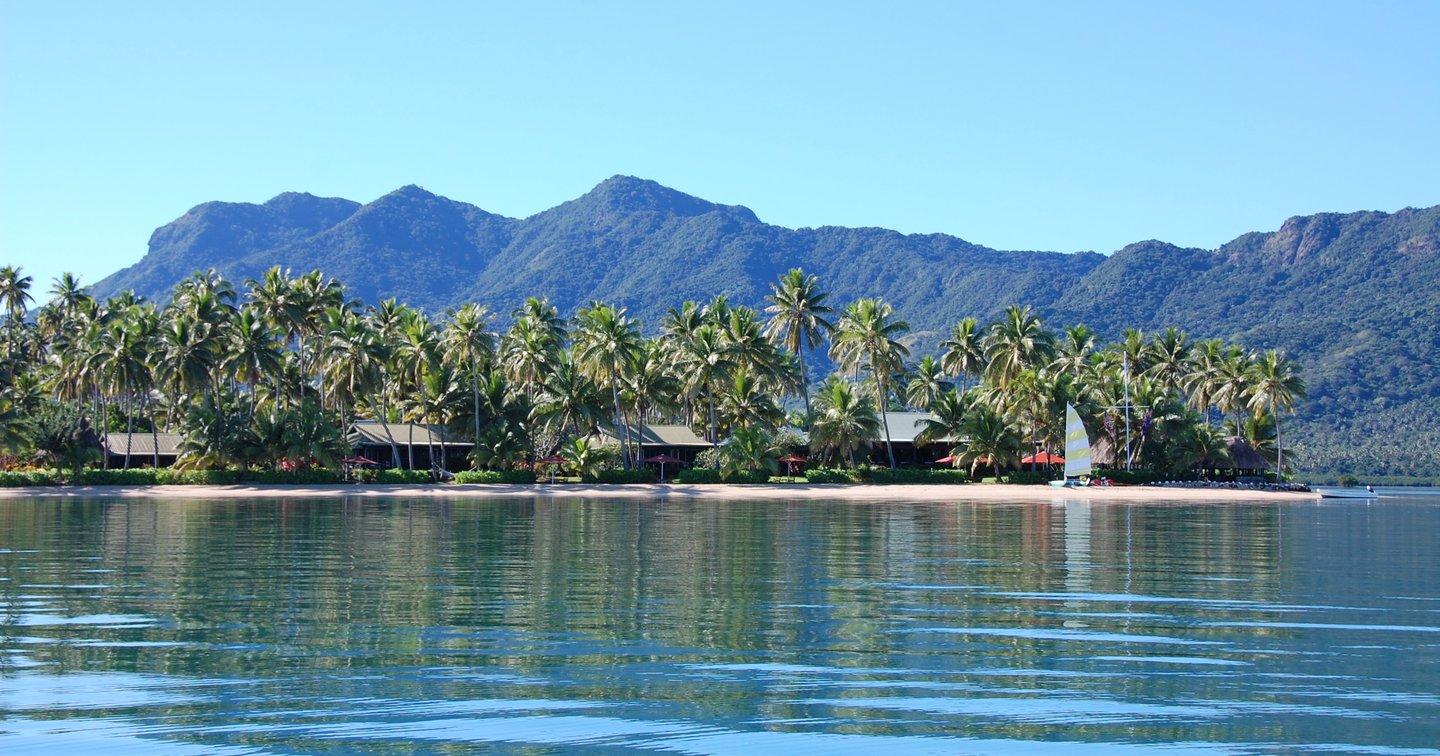
For those who prioritize intimacy and immediate reef access, Viani Bay Resort is an unparalleled choice. It's tucked away in a sheltered bay, offering a short, direct path to the Rainbow Reef's most iconic sites. Hidden. Intimate. Expert. If your focus is purely on the logistics of the descent, Tavenui Dive resort provides a streamlined experience designed by enthusiasts for enthusiasts. For travelers seeking a balance of romantic seclusion and underwater discovery, Matangi Private Island Resort offers treehouse luxury just a short boat ride from the great white wall fiji. Each of these sanctuaries provides a different rhythm, yet all share a deep respect for the water.
The Fiji Naturally Difference
Planning a descent of this magnitude shouldn't be left to chance. Our role is to remove the confusion over tidal requirements and the fear of missing the bloom. We align your 2026 travel dates with the lunar calendar, ensuring your holiday coincides with the peak activity of the soft corals. As a full service travel agency, we manage every detail, from airline ticket sales to comprehensive travel insurance. This holistic approach allows you to focus entirely on the experience. You aren't just booking a trip; you're securing a shared love for the destination and a commitment to a meaningful, soulful escape.
Secure Your Place in the South Pacific's Luminous Deep
The Great White Wall is a testament to the ocean's rhythmic beauty. It isn't just a location; it's a performance that requires the perfect alignment of moon and tide. A pulse. A breath. A bloom. You now understand that witnessing this snowy wilderness depends on the precise timing of the neap tides and the expert guidance of a basecamp that prioritizes the reef's health. From the dark silence of the tubular swim-through to the luminous expanse of the vertical drop, this is a descent that stays with you long after you've returned to the surface.
At Fiji Naturally, we don't believe in generic itineraries. We're a Virtuoso-affiliated agency with a team of experts who've personally visited over 100 Fijian resorts to find the most authentic, soulful experiences. We specialize in luxury dive itineraries that treat the great white wall fiji as the masterpiece it is. Let our Fiji specialists curate your 2026 Great White Wall expedition to ensure your timing is as flawless as the scenery. Your journey to the heart of the Soft Coral Capital is waiting to begin.
Frequently Asked Questions
Is the Great White Wall in Fiji suitable for beginners?
The great white wall fiji is generally not suitable for novice divers. Because the site involves navigating strong tidal currents and a deep, narrow swim-through, most operators require an Advanced Open Water certification and a minimum of 20 to 30 logged dives. It's a descent that rewards precise buoyancy control and a calm presence in the water, ensuring you can appreciate the snowy landscape without being overwhelmed by the conditions.
Why is it called the Great White Wall?
The name is inspired by the vast colonies of ice-white Dendronephthya soft corals that shroud the vertical cliff face. Unlike the neon hues found elsewhere on the Rainbow Reef, this site is defined by its singular, monochromatic brilliance. When the tidal pulse is just right, these corals inflate and glow against the deep velvet blue of the ocean, creating the appearance of a massive, underwater snowy wilderness that stretches into the abyss.
When is the best time of year to dive the Great White Wall?
While the dry season from May to October offers the most consistent water clarity, the lunar cycle is the true master of this experience. You must plan your visit around the neap tides, which typically occur during the quarter moon phases. These specific windows provide the perfect current strength to trigger the soft coral bloom without creating a drift that is too fast for divers to safely observe the wall.
Do I need a special certification to dive the Rainbow Reef?
You don't need a special certification for the entire reef, but an Advanced Open Water (AOW) qualification is essential for the great white wall fiji. While many shallow bommies are accessible to Open Water divers, the true spectacle of the wall begins below 20 metres. Having your AOW ensures you're trained for the depth and the technical nature of the swim-throughs that serve as the entrance to the site.
How deep is the Great White Wall dive site?
The journey begins at 10 metres with a tubular swim-through that serves as the threshold to the wall. The most vibrant white corals are found between 20 and 30 metres, which is where the "glow" is most intense. While the wall itself plunges much deeper into the South Pacific abyss, recreational diving limits keep the focus on these upper sections where the coral density and sunlight create the best visual impact.
What happens if I dive the Great White Wall at the wrong time?
Diving at the wrong time usually results in seeing the corals in their dormant, retracted state. Instead of a glowing white masterpiece, you'll encounter what guides call the "Great Brown Wall." Without a steady current to bring nutrients, the corals shrivel against the rock to conserve energy, appearing as a dark, unassuming grey or mauve cliff. It's a stark reminder that this dive is a living, breathing event.
Are there sharks at the Great White Wall?
Yes, shark sightings are a frequent and thrilling part of the experience. White-tip and grey reef sharks often patrol the blue water just off the wall, drawn by the same nutrient-rich currents that nourish the soft corals. While you're marveling at the white polyps, it's common to see these pelagics, along with barracuda and the occasional manta ray, cruising through the infinite blue just a few metres away.
Can I see the Great White Wall while snorkelling?
Snorkelling isn't an option for this specific site because the primary spectacle begins far below the surface. The snowy curtain of soft coral only thrives at depths starting around 20 metres, which is well beyond the view from the surface. While the shallow plateaus of the Rainbow Reef offer world-class snorkelling in hard coral gardens, the wall itself remains a sanctuary exclusively for scuba divers who can descend into its depths.


