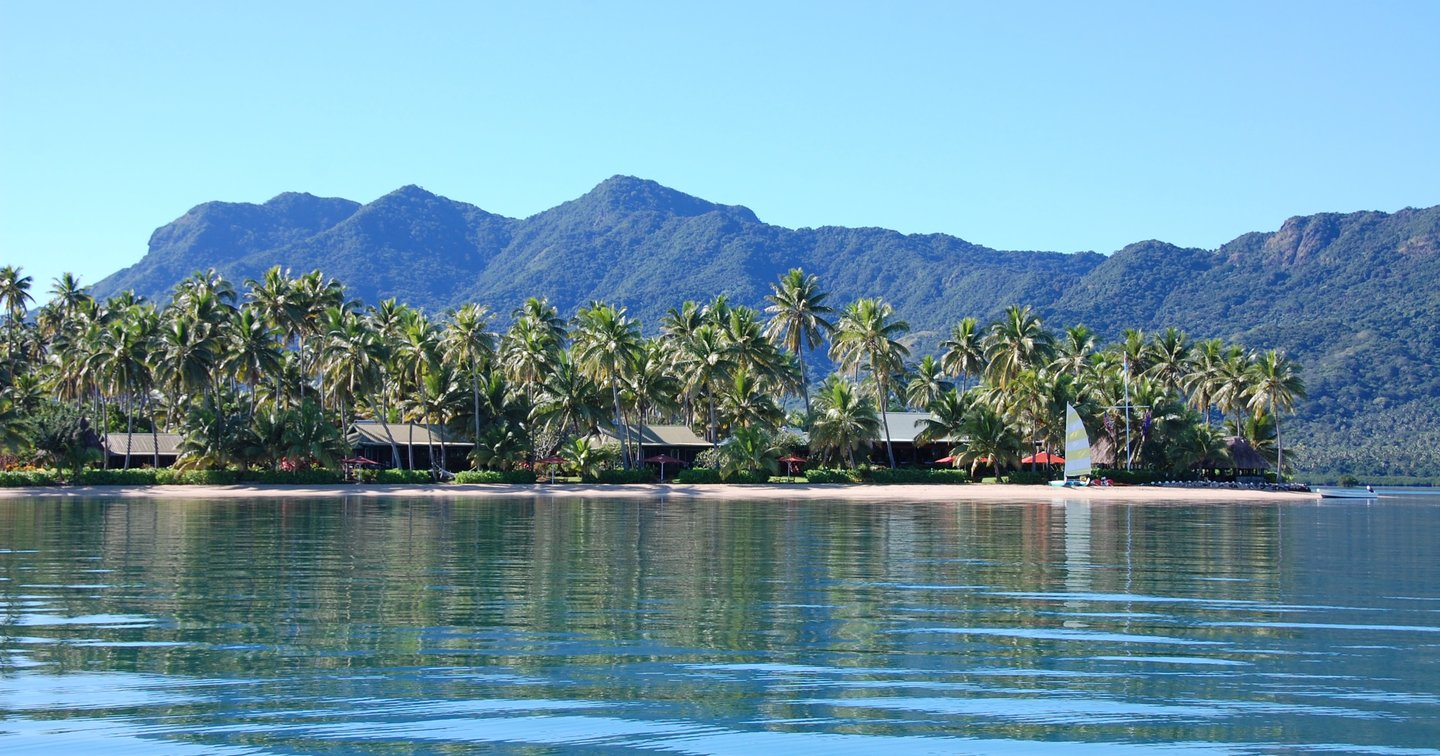

The best house reef in Fiji’s Mamanucas isn’t a single spot for every snorkeller: the right choice depends on when you visit and what you hope to see beneath the surface. The islands lie off the northwest coast of Viti Levu, roughly 25 kilometres west of Nadi, and include more than 20 islands and islets. Close to shore, the reef can make a gentle snorkel part of the day, not a separate expedition.
It’s natural to want clear water and vivid marine life, but conditions change with the season and time of day. Fiji’s dry season runs from May to October, while the wet season runs from November to April; early morning generally brings calmer water and better visibility. This guide explores how to choose a Mamanuca house reef, what seasonal conditions can mean for snorkelling, and what marine life and dive sites to look for, from Malolo Island’s fringing reef to the wider reef landscape.
Key Takeaways
- Use the islands’ location and transfer distance to narrow down which reefs suit your itinerary.
- Plan snorkelling around seasonal conditions and the time of day for calmer water and clearer views.
- Match your reef choice to the marine life and underwater experiences you’re hoping to discover.
- Compare resort reef settings to find a stay that fits your preferred balance of easy snorkelling, diving and relaxation.
1. Where are the Mamanuca Islands?
The Mamanuca Islands sit off Viti Levu’s northwest coast, roughly 25 kilometres west of Nadi. This group includes over 20 islands and islets, stretching from accessible day-trip stops to outer island resorts. Port Denarau Marina is the departure point for many boat transfers; reaching the outer Mamanucas can take up to two hours. The South Sea Island crossing takes approximately 40 minutes, making it a practical option for a shorter outing from the mainland.
Snorkelling varies between house reefs because each has its own location, depth and exposure to wind and swell. A sheltered lagoon or fringing reef beside a resort can offer convenient access from shore, while outer reef areas may be better suited to boat trips and diving. Around Malolo Island, a protected fringing coral reef supports marine life and accessible snorkelling. The best house reef in Fiji’s Mamanucas depends on whether you prioritise easy beach entry, calm lagoon water or access to wider reef sites.
For a guided encounter, Kuata Island offers snorkelling with reef sharks in their natural habitat, accompanied by expert instructors. The island is in the Yasawa group, beyond the Mamanucas, so this is a separate excursion, not a house-reef stop. Within the Mamanucas, coral formations and tropical fish are part of the appeal, and South Sea Island offers opportunities to view coral and marine life. Glass-bottom boat trips also make reef viewing possible without entering the water.
Reef care starts with simple choices: don’t stand on, touch or take coral, and avoid chasing or feeding marine life. These practices help protect living reefs and reduce disturbance to wildlife. The Mamanucas also offer barrier reef diving, with Cloudbreak, Wilkes Passage and Desperation among the named breaks along the southern part of Malolo Barrier Reef. Snorkelling near shore and diving farther out reveal different parts of this connected reef environment.
2. Seasonal snorkelling conditions and visibility
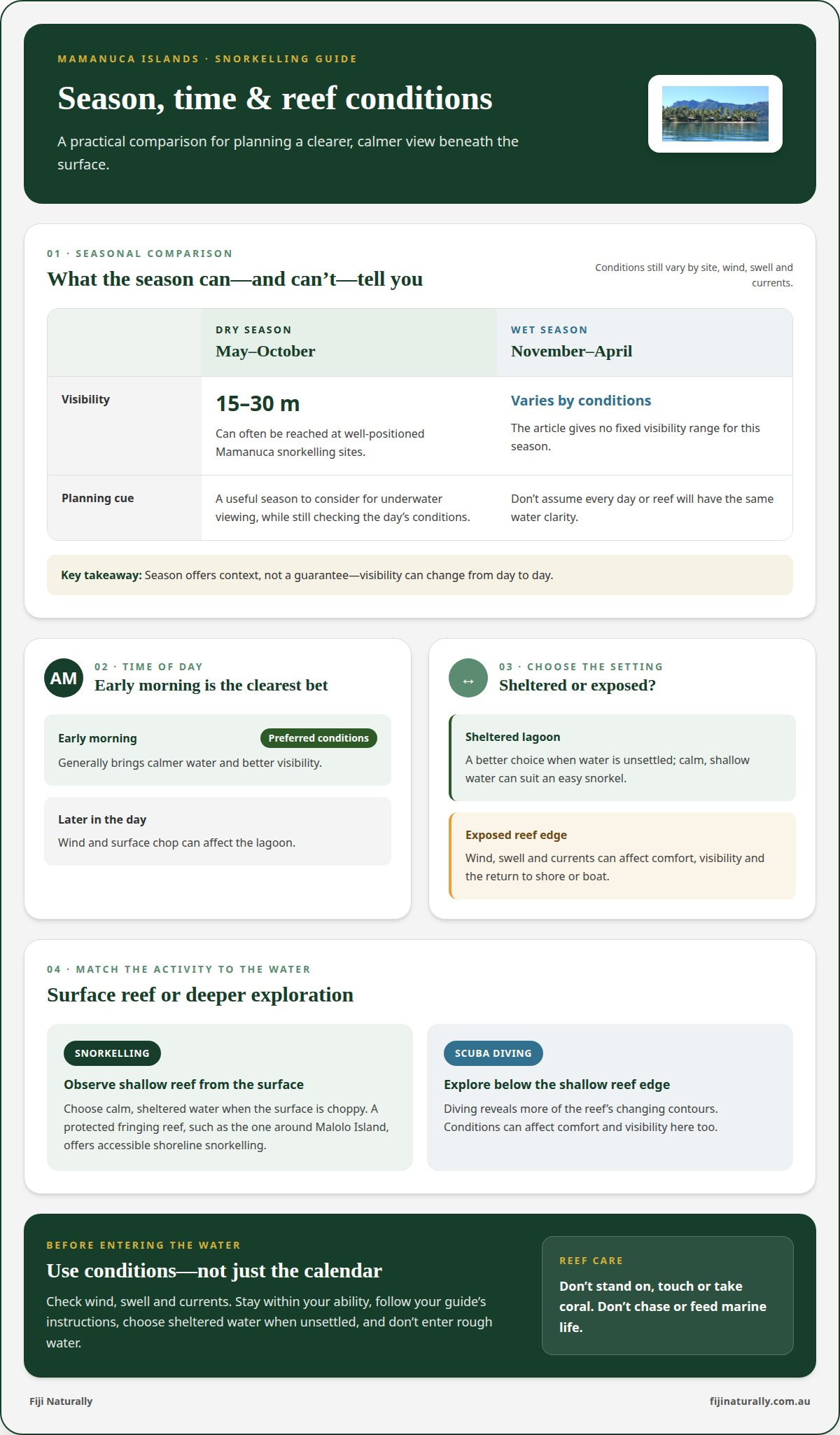
Fiji’s dry season runs from May to October, while the wet season runs from November to April. At well-positioned Mamanuca snorkelling sites, visibility can often reach 15 to 30 metres during the dry season. Early morning generally brings the calmest water and clearest views, before wind and surface chop affect the lagoon. For travel focused on underwater viewing, plan your snorkelling around the day’s conditions, not just the season.
Water conditions vary with wind, swell and currents, particularly between sheltered lagoons and exposed reef edges. Strong currents can make it harder to return to shore or a boat, so stay within your ability and follow your guide’s instructions. Choose a sheltered site when the water is unsettled, and don’t enter rough water. These practical choices matter for both snorkelling and scuba diving, where changing conditions can affect comfort and visibility.
Glass-bottom boat and snorkel combination trips from Nadi pair coral viewing from the boat with time in the water. The combination includes both glass-bottom viewing and snorkelling; the listed range is for the trip, not resort accommodation or scuba diving. It’s a way to enjoy Pacific marine life while spending only part of the outing in the water, if you prefer.
Snorkelling and scuba diving offer different ways to see coral reefs. A snorkel lets you observe shallow reef from the surface, while diving provides access below it; neither guarantees the same visibility each day. Look for clear waters in the morning and choose sheltered conditions over a more exposed reef when the surface is choppy. For a stay shaped around both activities, explore Mamanuca snorkelling and diving holidays and match your plans to the season, site and water conditions.
3. Marine life and notable dive sites
Malolo Island is a useful starting point for exploring Mamanuca marine life. Its protected fringing coral reef supports fish and offers accessible shoreline snorkelling. From the surface, look across the reef rather than stepping onto coral. The shallow edge offers a different view from deeper water, where scuba diving can reveal more of the reef’s changing contours.
There isn’t one fixed list of fish to expect at every reef. Sightings depend on the site and conditions, so take time to observe rather than chase marine life. Tropical fish move through coral habitats, and reef structures create varied places to look. A careful, unhurried approach can make even a short snorkel more rewarding, especially for couples enjoying their first close-up view of a living reef.
Malolo Barrier Reef is also associated with Cloudbreak, Wilkes Passage and Desperation. These are named surf breaks along the reef’s southern part, not dive sites. Their names help orient visitors to the wider reef landscape, but they shouldn’t be mistaken for snorkelling entry points. When planning a reef-focused holiday, distinguish a resort’s accessible house reef from outer areas reached by boat or scuba diving.
Monuriki adds a different kind of island context: the film Cast Away was filmed there in 2000. It’s a reminder that a Mamanuca itinerary can combine reef time with island scenery, though the film connection doesn’t indicate marine conditions. When booking through Fiji Naturally, choose a stay based on the reef access and activities that suit your plans, rather than assuming every island offers the same underwater experience.
For a practical start, choose calm, shallow water and notice where coral habitat meets the open lagoon. Keep your fins clear of the reef, and watch fish without touching or feeding them. This simple approach protects coral and gives you time to notice the details. Scuba diving adds depth and perspective, while snorkelling focuses on the reef’s accessible upper edge.
4. Which Mamanuca Islands resorts have the best house reefs for snorkeling?
Likuliku Lagoon Resort is a strong choice for travellers seeking a reef-centred stay. The adults-only resort sits on Malolo Island, surrounded by a protected marine sanctuary. Its setting makes it especially relevant for guests who want marine conservation close to their accommodation. The resort also has 10 overwater bures, offering a distinctive way to stay beside the lagoon.
Vomo Island offers a different kind of reef access. Its surrounding reef supports snorkelling throughout the day, and diving is accessible directly from the resort beach. This can suit visitors who value entering the water without arranging a boat trip. Consider whether easy shore access or a protected sanctuary setting matters more to your plans.
These resorts suit different priorities, so “best” depends on the experience you want. For a protected marine setting, consider Likuliku Lagoon Resort; for direct beach access to snorkelling and diving, Vomo Island stands out. Malolo Island’s protected fringing reef offers another useful point of comparison. Look at the type of access and the surrounding reef, not just the resort name.
Before choosing, picture an ordinary day: would you rather snorkel near the resort, explore a lagoon, or add a dive? A house reef is most useful when its location matches how often you want to enter the water and the level of activity you enjoy. Likuliku Lagoon Resort’s sanctuary setting and Vomo Island’s beach access offer two clear examples. To shape a stay around reef access, explore reef-focused island stays.
Fiji Naturally: Remote authentic Fijian resorts
Fiji Naturally helps match your reef priorities with a stay that suits your travel style. If you want snorkelling and diving to shape your holiday, explore Scuba Dive Resorts. For a quieter retreat, consider Adults Only Resorts or remote authentic Fijian resorts. Family Friendly Resorts offer another option for travellers planning a shared island escape.
Let your preferred balance of reef access, relaxation and time on the water guide your choice. A resort stay can shape whether your trip centres on underwater exploration or leaves room for other island experiences. Contact Fiji Naturally to discuss the kind of Fijian resort experience you’re looking for.
Shape a reef holiday around your own pace
Choosing the best house reef in Fiji’s Mamanucas is one part of planning a meaningful island stay. Think about how you want each day to feel: a quiet swim near shore, time set aside for scuba diving, or a family holiday with room for different interests. That picture can help guide your choice of resort and the reef experience you build around it.
Fiji Naturally offers Scuba Dive Resorts, Adults Only Resorts and Family Friendly Resorts, giving you options to match your preferred style of travel. Whether you’re planning an underwater-focused escape or a more relaxed island retreat, let your priorities lead the way. Contact Fiji Naturally to plan your trip and take the next step towards a Fijian holiday that feels right for you.
Frequently Asked Questions
Can you see reef sharks snorkelling in the Mamanucas?
Guided reef-shark snorkelling is available at Kuata Island in the Yasawa Islands, not the Mamanucas. Expert instructors guide visitors to see sharks in their natural habitat. If you’re staying in the Mamanucas, treat Kuata as a separate excursion rather than expecting sharks on a resort’s house reef. This guided encounter is different from casual snorkelling close to shore.
Which Mamanuca resorts have reefs accessible directly from the beach?
Vomo Island is a clear example of easy reef access: its surrounding reef allows snorkelling throughout the day, with diving directly from the resort beach. That makes it a practical fit if you want to enter the water without relying on a boat trip. Likuliku Lagoon Resort offers a different draw, with a protected marine sanctuary around the resort rather than the same beach-access experience.
What marine life and coral can you see on Mamanuca house reefs?
Expect coral habitat and tropical fish, though sightings vary by reef and conditions. Malolo Island’s fringing reef is one example of a protected coral environment suited to snorkelling. South Sea Island also offers coral and marine-life viewing. Take time to observe from the water’s surface, and avoid touching or standing on coral to keep your visit gentle on the reef.
When is the best season and time of day to snorkel Mamanuca house reefs?
The dry season, from May to October, is a useful window for snorkelling, and early morning generally brings calmer water and better visibility. At well-positioned sites, visibility can often reach 15 to 30 metres during the dry season. For a morning outing, prepare your gear beforehand and follow local guidance on the day’s water conditions.
Are Mamanuca house reefs suitable for beginner snorkelers and children?
Some sheltered, shallow reef areas can suit beginners and children, but depth, entry points and water conditions all matter. Choose a calm area with easy entry, and supervise children closely in the water. A guided snorkel can help less experienced swimmers understand the site and stay within a comfortable area. If you’re unsure of your swimming ability, remain in shallow water.
How can you reach the best Mamanuca house reefs from Nadi?
Reach the islands by boat from Port Denarau Marina or by air transfer from Nadi Airport, depending on your chosen resort. Air transfers to Mamanuca Island resorts take 10-20 minutes; boat trips to outer islands can take up to two hours. South Sea Island is about a 40-minute crossing from Port Denarau. Choose transport based on the island where you’ll stay.


